Why Pelvic Alignment Matters for Labor and Delivery
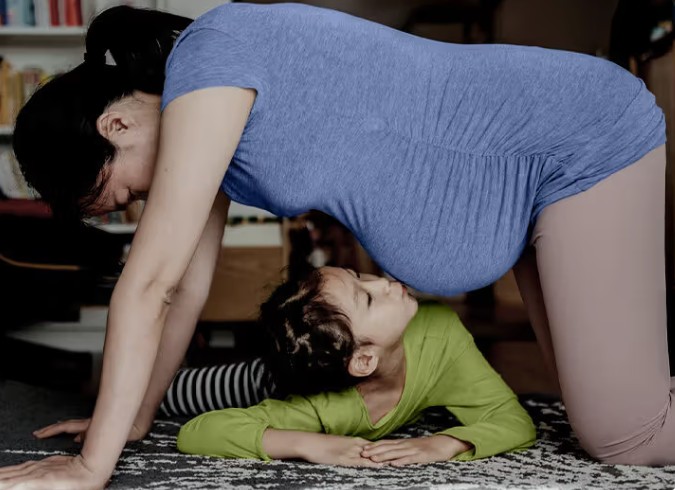
When people think about preparing for birth, they often focus on the baby—but your body plays an equally important role.
One of the most overlooked (yet powerful) factors in labor and delivery is pelvic alignment.
The way your body is aligned during pregnancy can directly impact:
- Baby’s positioning
- Comfort during pregnancy
- Length and progression of labor
- Your overall birth experience
Let’s break down why pelvic alignment matters—and what you can start doing now to support your body.
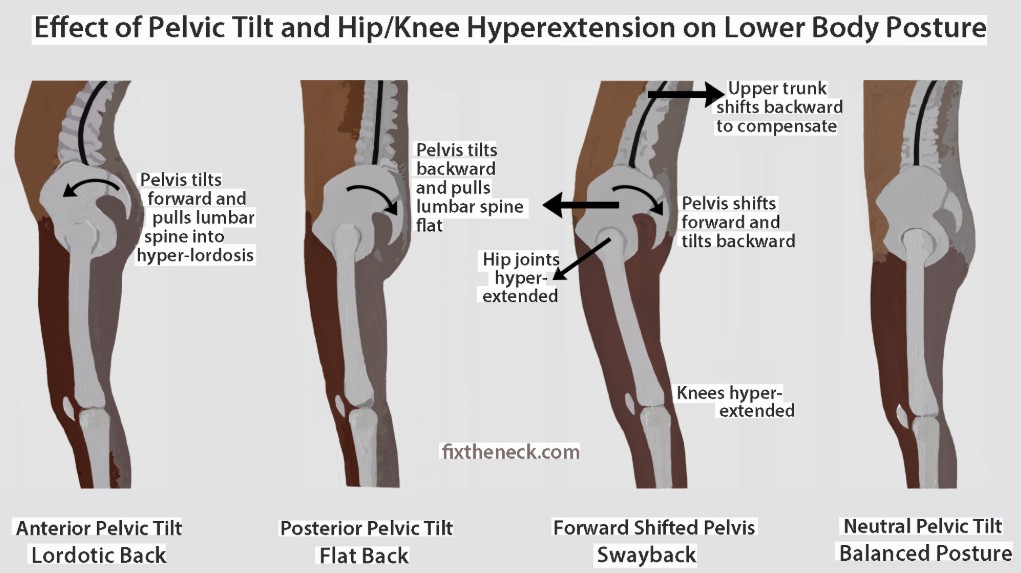
What Is Pelvic Alignment in Pregnancy?
Pelvic alignment refers to how your pelvis, spine, and surrounding muscles are positioned and working together.
During pregnancy, your body naturally shifts:
- Your center of gravity changes
- Your ligaments soften
- Your posture adjusts to accommodate your growing baby
Without intentional support, this can lead to imbalances—especially if you:
- Sit for long periods
- Cross your legs often
- Lean into one hip while standing
- Wear unsupportive shoes
These small habits can create asymmetry in the body, which may affect how your baby settles into the pelvis.
Why Pelvic Alignment Matters for Labor
Good pelvic alignment helps create space and balance—two key elements for a smoother labor.
When your body is aligned:
✨ Baby is more likely to get into an optimal position (head down, facing your back)
✨ Contractions can work more efficiently
✨ Labor may progress more smoothly
✨ You may experience less discomfort and back pain
✨ Pushing can be more effective
When alignment is off, it can contribute to:
- Longer or stalled labor
- Increased discomfort (especially back labor)
- Baby being in less optimal positions
Signs Your Body May Need More Alignment Support
- Persistent hip or lower back pain
- Sciatic pain (shooting pain down the leg)
- Feeling uneven when standing or walking
- Baby sitting consistently on one side
- Discomfort after long periods of sitting
These don’t mean something is “wrong”—they’re just signs your body may benefit from more balance and support.
Simple Daily Movements to Support Pelvic Alignment
You don’t need anything complicated—consistency matters more than intensity.
1. Hip Circles on a Birth Ball
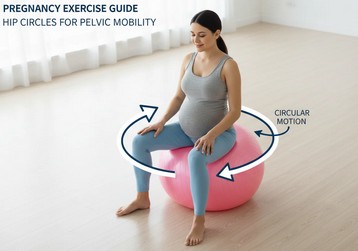
- Sit on a stability ball
- Gently circle your hips in both directions
- Helps improve mobility and release tension
👉 Try: 5–10 minutes daily
2. Cat-Cow Stretch
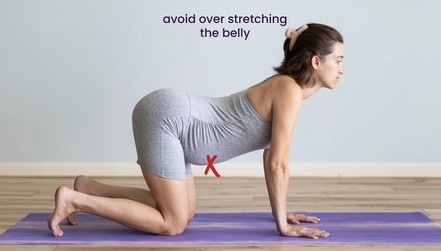
- On hands and knees, gently arch and round your back
- Encourages spinal mobility and relieves pressure
👉 Great for: back pain + baby positioning
3. Forward-Leaning Positions
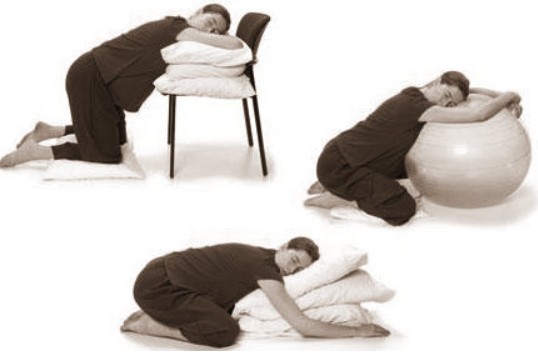
- Lean over a couch, bed, or birth ball
- Takes pressure off your lower back and encourages optimal positioning
👉 Try during rest or while watching TV
4. Deep Supported Squats
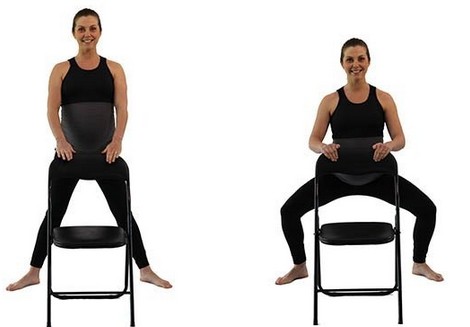
- Use support (partner, wall, or yoga blocks)
- Opens the pelvis and builds strength
👉 Focus on comfort, not depth
5. Walking (With Awareness)

- Keep posture upright
- Avoid leaning back or slouching
- Let your arms swing naturally
👉 Even 10–15 minutes makes a difference
Everyday Tips for Better Alignment
Small daily habits matter just as much as exercises:
✔ Sit with both feet flat on the floor (avoid crossing legs)
✔ Use a pillow to support your hips when sitting or sleeping
✔ Switch positions often—avoid staying in one position too long
✔ Keep knees below hips when sitting (slight forward tilt)
✔ Sleep on your side with a pillow between your legs
✔ Avoid deep, slouched positions (like sinking into couches)
Pro Tip: It’s About Balance, Not Perfection
Your body doesn’t need to be perfectly aligned 24/7.
What matters is:
👉 Awareness
👉 Consistency
👉 Gentle support over time
Even small adjustments can help your body feel better—and support your baby’s positioning for birth.
How I Support Clients With Alignment
As a doula trained in body balancing techniques, I help clients:
- Understand how their body is functioning
- Release tension and improve mobility
- Practice movements that support labor progression
- Feel more confident and connected to their body
Because preparing for birth isn’t just mental—it’s physical, too.
Final Thoughts
Pelvic alignment is one of the simplest ways to support a smoother, more comfortable labor.

By incorporating a few intentional movements and posture shifts into your day, you’re not just preparing for birth—you’re supporting your body in doing what it was designed to do.